Getting there from Gérardmer
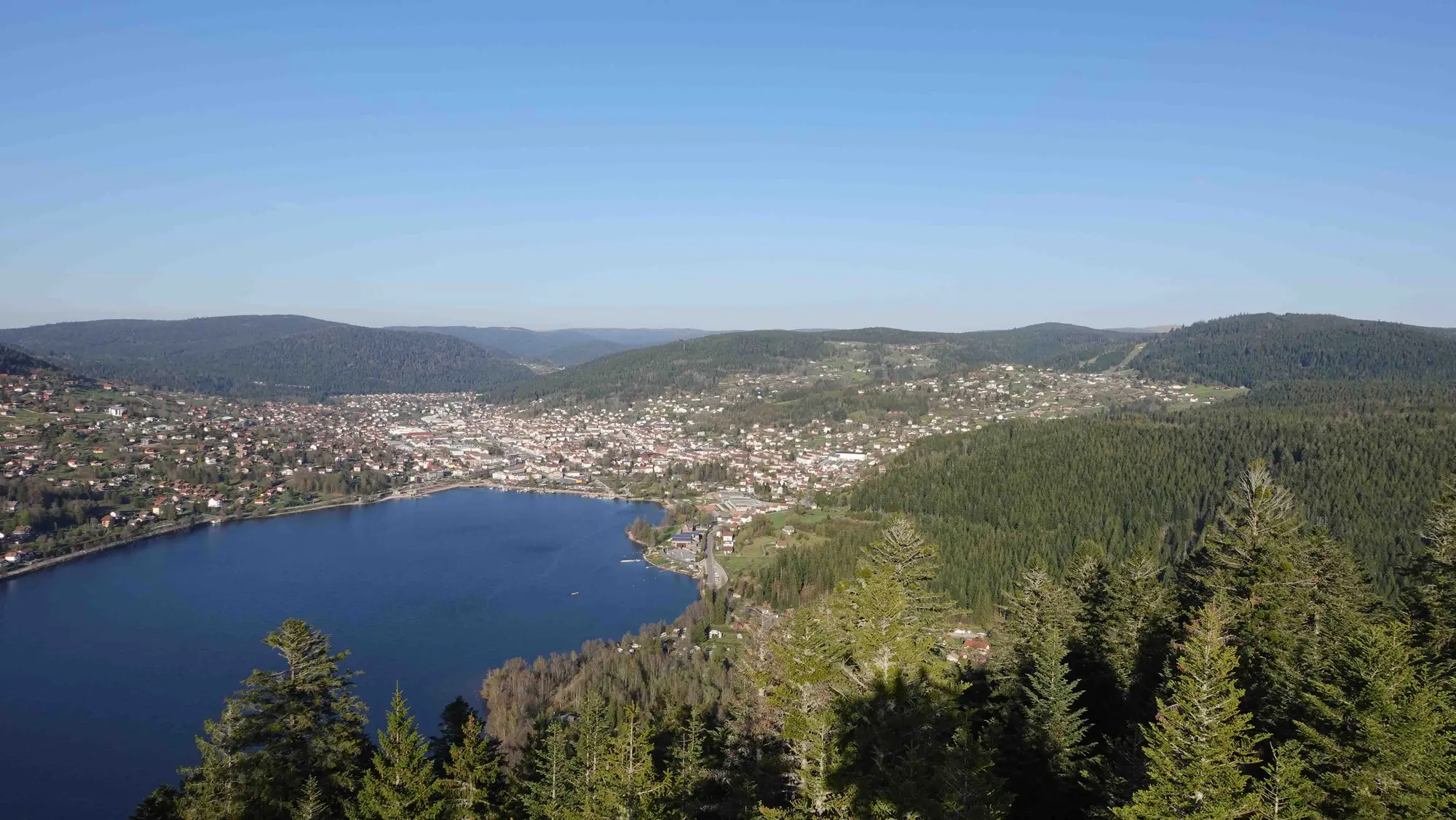
The pass is 15 kilometres from Gérardmer on the D417, via Xonrupt-Longemer: a steady climb with an average gradient of 3.2% and a maximum of 6.7%. Allow twenty minutes from the chalet. On the other side the road drops down to Munster, 18 kilometres away. The D417 stays open in winter except in exceptional conditions: it is the Route des Crêtes, which crosses the D417 at the pass, that partly closes for the cold season.
Winter at the pass
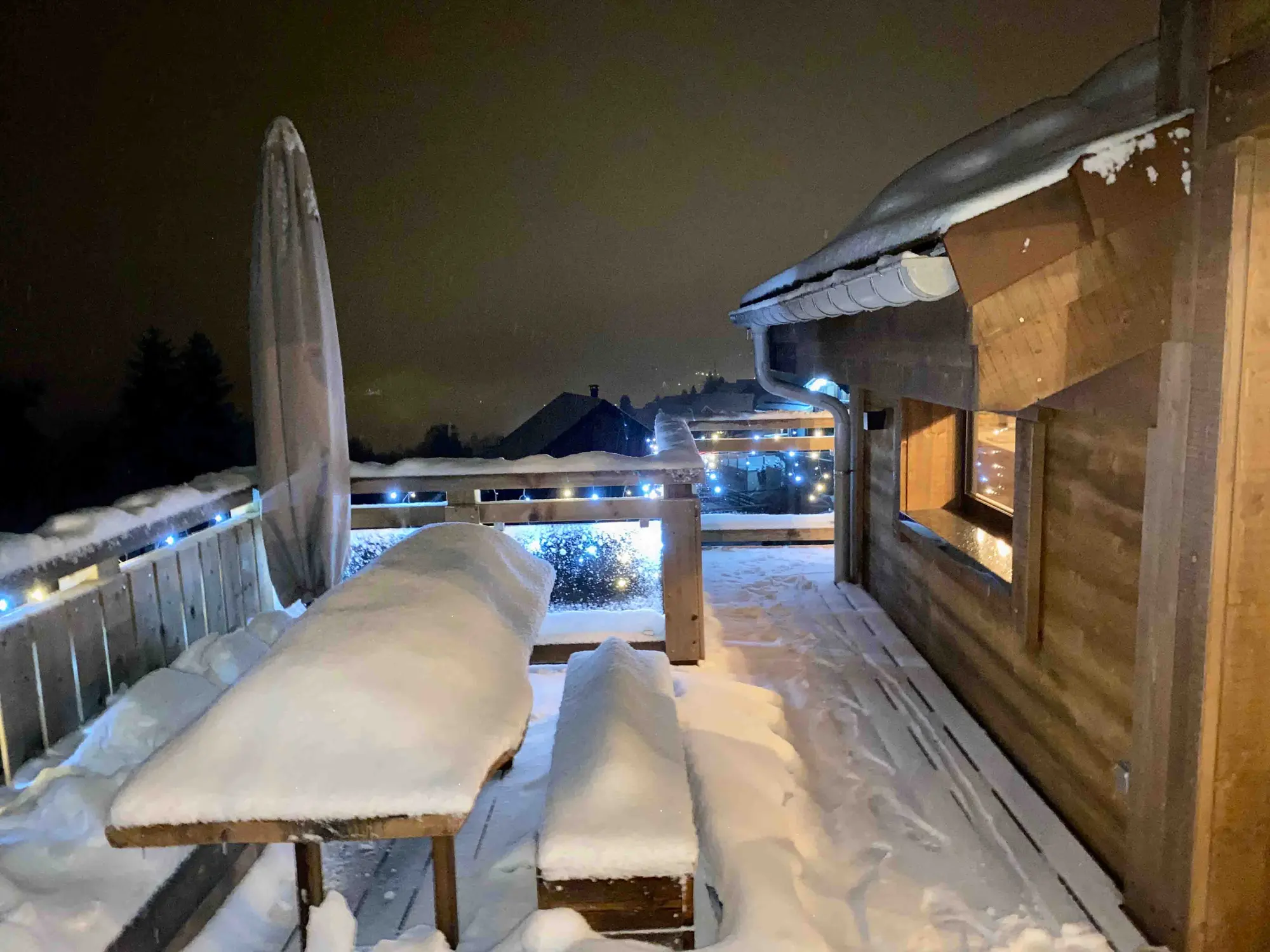
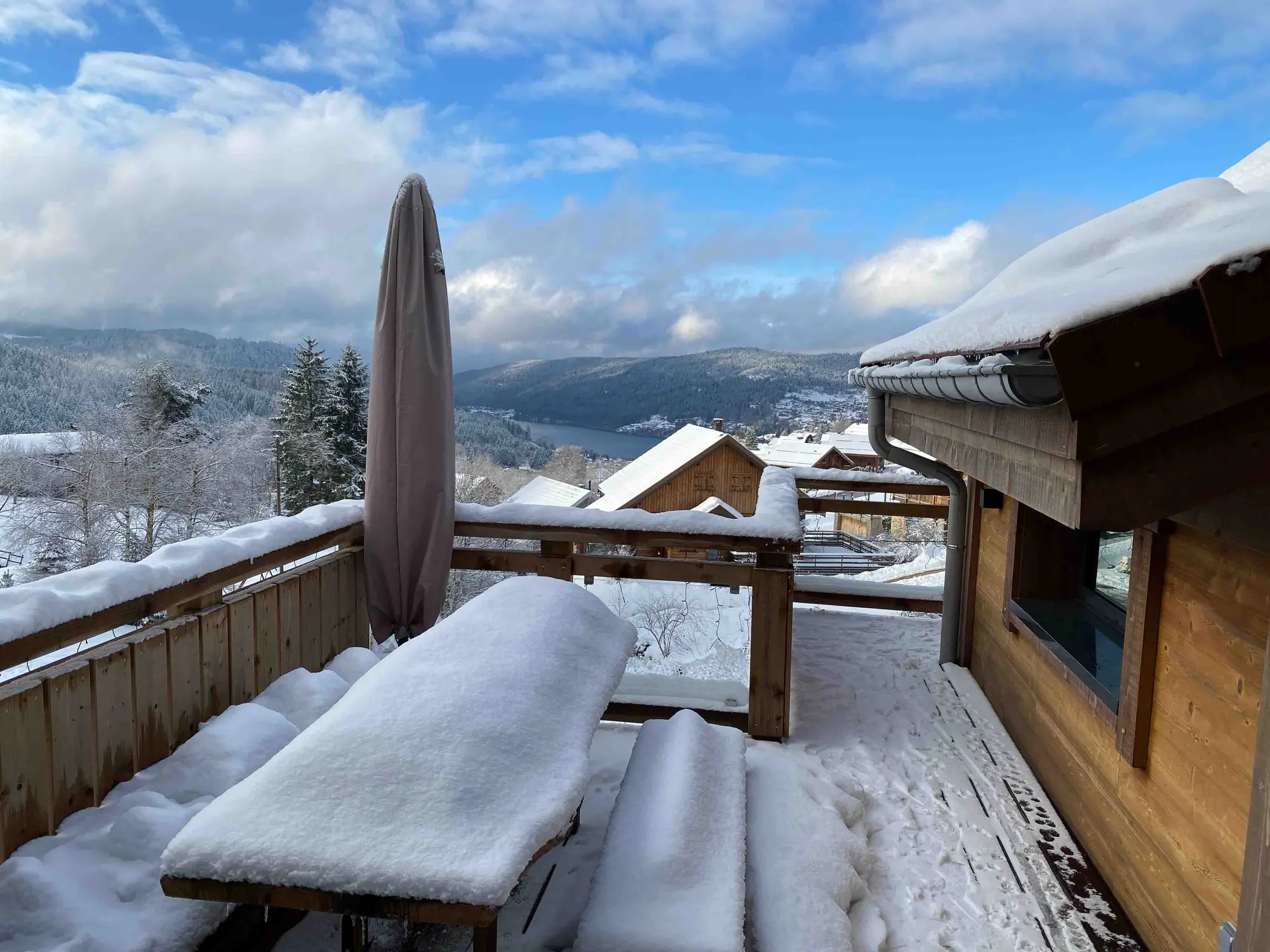
The first ski tow in the Vosges opened here in February 1937, and the pass still has a small downhill area with two lifts and two blue runs. Most people come for cross-country skiing, with a training centre, and for snowshoeing: the ridge to the Hohneck via the Trois-Fours makes a there-and-back route on cross-country skis or snowshoes. Further south, between the Hohneck and the Markstein, the Route des Crêtes closes to traffic and becomes a Nordic skiing area.
Summer at the pass
A summer toboggan run and mountain biking bring the pass to life in the warm months. It is also a hiking crossroads: the GR5 long-distance path crosses it, and the Haut-Chitelet alpine garden, at 1,228 metres on the Route des Crêtes, opens from June to September. Its 2,700 species of mountain plants from around the world are worth a stop before or after the climb to the Hohneck.
The Sentier des Roches
Opened in 1910, this path leaves the pass and runs along the cliffs on the Alsace side to the Frankenthal cirque, from where you can reach the Hohneck or the Trois-Fours. Footbridges, steps cut into the rock and railings above the drop make it one of the most spectacular routes in the range. It needs a sure foot, is best avoided in wet weather, and is dangerous and impassable in winter.
A former border
From 1871 to 1918 the pass marked the border between France and the German Empire, complete with a border post. Napoleon III had stayed here in 1860, 1865 and 1867. The Gérardmer-Retournemer-Schlucht-Hohneck tramway, opened on 29 June 1904, ran until 1939; on the Alsace side a rack railway climbed from Munster between 1907 and 1914. Travelling from Gérardmer to Munster then took two and a half hours, with a change at the border.
The pass today
The Tour de France has crossed the Schlucht twelve times, first in 1931, and amateur cyclists ride it all summer: the steady gradient on the Vosges side makes it an accessible climb. Since 2019 the "Schlucht 1139" visitor area, created by the Vosges département, introduces the site to visitors. Fog can roll in quickly on the ridges, so bring a jacket even in summer.